There is no doubt about it: 2020 has been a year of surprise and change. Parents have had to get creative in how they care for and school their children, in addition to adjusting their own career schedules to make it work. Nanny shares and learning pods are two effective methods that parents are using around the country to provide quality education and care for their kids.
Read More
Topics:
household employer,
nanny,
nanny tax,
household payroll,
agency,
private educator,
Learning pods
If you hire people to work in your home -- such as nannies, private nurses, or housecleaners -- then you’re a household employer. You’re responsible for filing the proper taxes and getting the right paperwork to your employees if you pay them over $2,000 for the year (as of 2016).
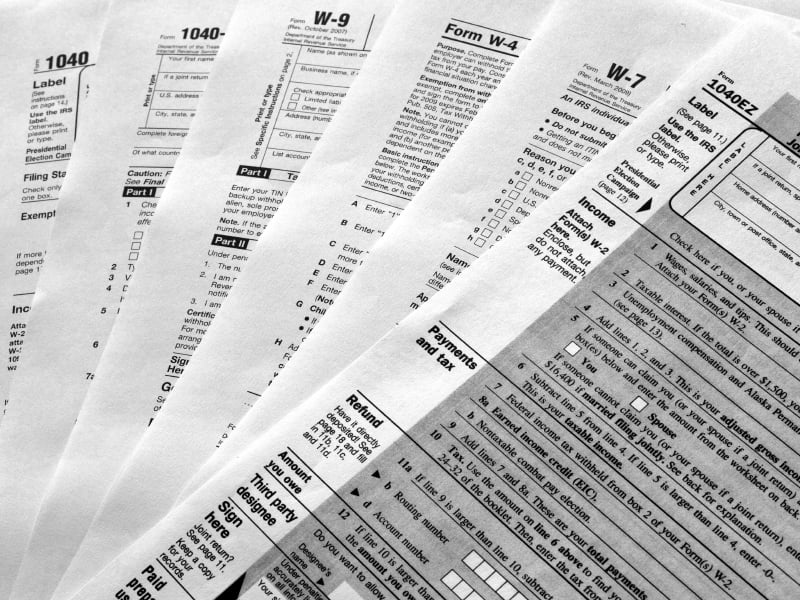
Now that it’s tax season, be sure you’re providing your domestic workers with the proper paperwork. Start with the following information to ensure a stress-free tax season.
Read More
Topics:
household employer,
nanny tax,
nanny taxes,
domestic worker
I spoke to a prospective client today on the phone. She just hired a senior caregiver - a woman she calls "Mom's helper" - to come in daily to assist her mother around the house. Her mother has had a series of falls recently, none serious, and needs basic help and companionship at home during the day while her daughter is working. As a sandwich generation daughter of a mother with similar issues with aging, I completely understood why she took this step and the challenges she faces trying to balance her Mom's needs and her own professional and economic needs.
Read More
Topics:
aging in place,
household employer,
senior care,
Hiring Elder care,
nanny tax case study
Hiring a nanny to care for children, or a caregiver for an elderly family member can be very expensive. These employees often work long hours and your need for their services is generally perpetual. The high cost of employing household workers often makes it tempting for families not to report paid wages, since reporting carries additional financial requirements related to unemployment insurance and other benefits. However, the risks to families who do not pay their domestic employees "on the books" are considerable.
Read More
Topics:
household employee taxes,
household employee,
household employer,
household payroll tax,
workers compensation household employees
Regardless of whether your household employee is full time or part time, employers are required to pay employment taxes if the employee is paid $1900 or more per year (in 2014).
Read More
Topics:
household employee,
household employer,
nanny taxes,
1099 v w-2,
household payroll tax,
household payroll
In 2014, the Household Employee Wage threshold increased to $1900. This means that any household employee- such as a nanny, housekeeper or elder care worker- earning $1900 or more per year requires their employer to pay what is commonly referred to as the "nanny tax."
Read More
Topics:
household employee,
household employer,
household payroll

.jpg)


.jpg)